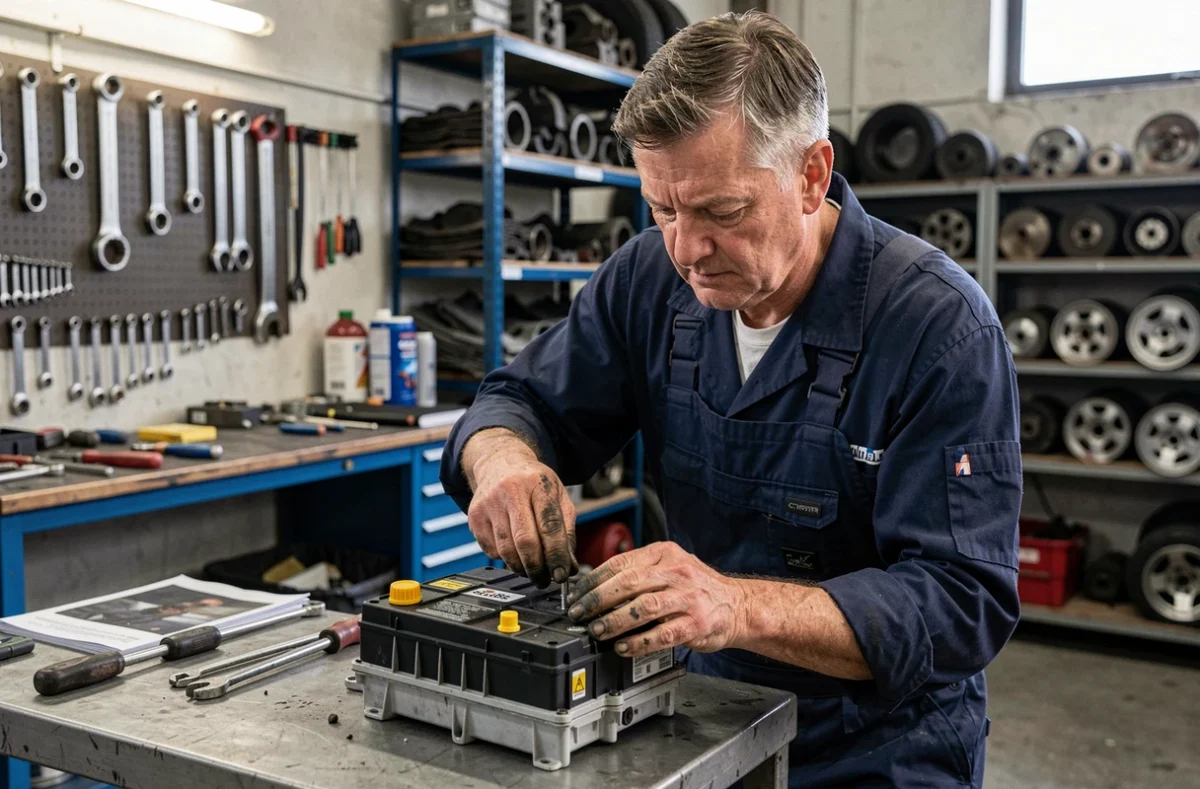
The ABS block is an important and fundamental component of a vehicle. It helps reduce friction between the tire and the road during sudden braking, thus providing better safety. Unfortunately, just yesterday I encountered this problem I need a repair for the ABS block. How can we do it correctly while ensuring our safety? In this article, we will explore step by step how to carry out an effective and safe repair of the ABS block.
Preparation of Tools and Necessary Parts
You need to be well-equipped before starting to repair an ABS block. The tools and parts you will need depend on the exact type of vehicle you are trying to repair and may vary depending on manufacturers and models. First, make sure you have all the necessary information about the specific version of the ABS module that is installed on the vehicle, so you can obtain the correct replacement set if needed.
Common tools required for an ABS repair generally include: a class 8 or 10mm socket set; a Phillips screwdriver; a flat pliers; a hammer; cutting diagonal pliers; a mouse; a hand or electric drill (depending on the job); magnetic magnets for picking up lost screws or metal debris; a portable air compressor (to clean certain areas). You will also need a variety of appropriate industrial chemicals to ensure cleanliness and the complete absence of dirt in your work area.
While each ABS module has its own specific internal configuration based on brand/model/year/application, there are a few common parts that may potentially be defective compared to other components: Connector(s) – The main connector may loosen over time due to excessive heat caused by overheating or significant voltage fluctuations coming directly from the system.
Step by Step to Repair the ABS Block
When an ABS block is damaged, it is important to repair it correctly to maintain the safety of the vehicle and passengers. Although the process may seem daunting, it is actually relatively simple and can be accomplished by an experienced individual or a professional. Here are the steps to follow to safely repair your ABS block:
First, completely disconnect the battery of your vehicle. This will prevent any unnecessary connection from being made during the process that could cause an overload and result in further damage to the ABS system. Once the battery is disconnected, remove the entire ABS component to facilitate a thorough examination. You will likely need to remove some metal parts around the component before you can provide enough space to inspect all the individual parts that make up the entire ABS component.
Next, carefully examine each part of the ABS block and ensure that they show no visible signs of malfunction or physical damage. If this is the case, immediately replace the damaged parts with genuine specialized parts suitable for your exact car model/brand to ensure complete compatibility with your anti-lock system.
Safety Tips for ABS Block Repairs
The ABS block is one of the most important safety systems for a car, which is why it is essential to be cautious when repairing it. Improper installation can have dramatic consequences. In this guide, we will look at the various steps to ensure safety and proper work when repairing the ABS block.
First, before undertaking any procedure on the ABS block, ensure that your car is well-maintained and inspected by a qualified technician. A check that has defects or is missing certain key parts will greatly increase the risk of injury or completely damage your car if it does not function properly due to the replacement of the ABS block. Therefore, make sure that any issues have been identified and corrected before any intervention on the ABS block!
Once your car has passed its technical inspection, start by removing the old EBS Equipment (ABS block) according to the instructions provided in your service manual. If you are unable to locate this specific section, look it up by consulting another technical guide corresponding to the exact make and model of your vehicle. Then check each component to ensure it is free of corrosion or damage, but be careful with the wires as they must be handled with caution to avoid crushing that could damage the internal circuit.