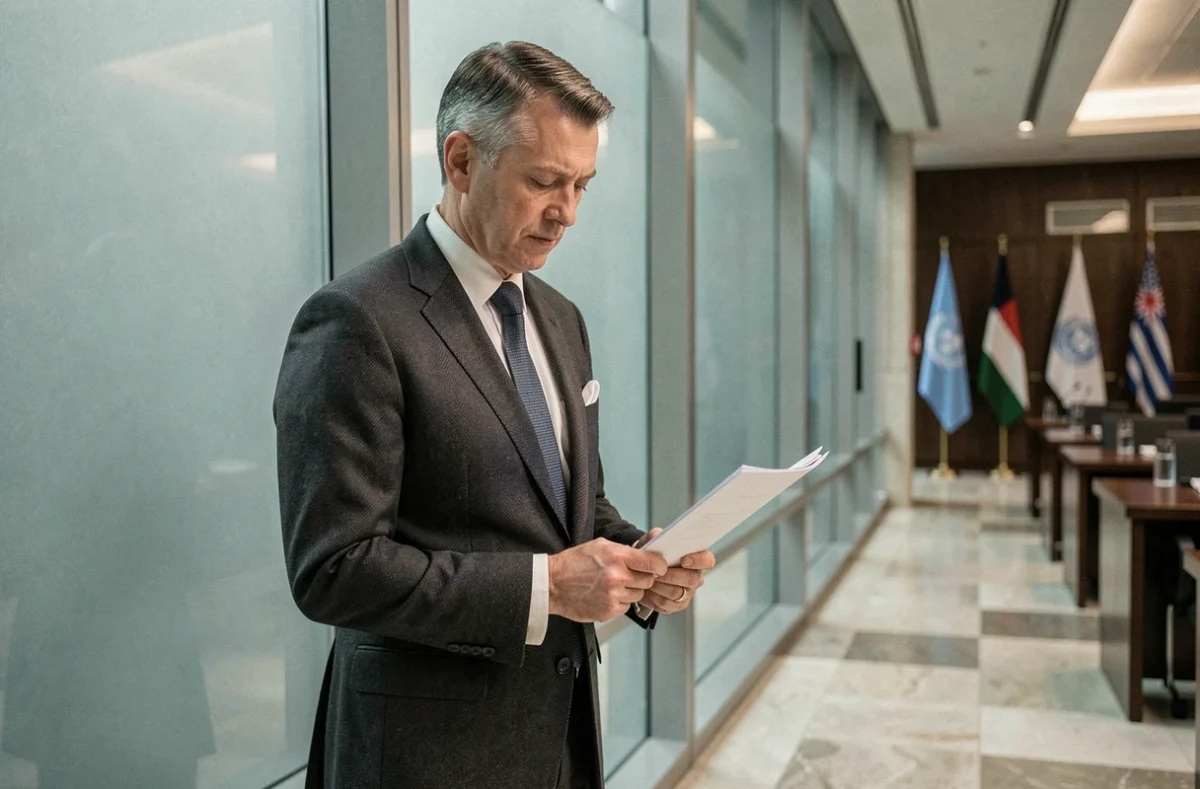
When a conflict in the Middle East drives up energy prices in Europe and disrupts supply chains in Asia, it becomes clear how geopolitical tensions are no longer confined to a single region. Global geopolitical stakes are now reflected in household bills as much as in diplomatic statements. Understanding these current tensions begins with identifying the concrete mechanisms that transform a local confrontation into a global shockwave.
Energy Shock and Economic Fragmentation: The Nerve of Geopolitical Tensions
We often talk about rivalries between states, but the first tangible effect of a geopolitical crisis is felt in the wallet. According to the September 2026 update from the United Nations, the conflict in the Middle East has heightened trade and energy tensions, revived inflationary pressures, and darkened global growth prospects.
This mechanism is anything but theoretical. The energy shock adds to an already ongoing geo-economic fragmentation, as noted by the UN. Net importing countries of hydrocarbons are experiencing a double effect: rising energy costs and increased prices for agricultural commodities transported by sea. Several analyses available on https://www.geopolitis.net/ detail these linkages between regional crises and global economic repercussions.
Fragmentation is not limited to oil. We are witnessing a gradual decoupling of trade exchanges between blocs. Countries that traded freely a decade ago are now imposing cross-restrictions on technologies, semiconductors, and rare earths. This phenomenon is reshaping the map of alliances well beyond the borders of conflict zones.

Large-Scale War: A Dominant Risk Across All Regions of the World
The UN’s Global Risk Report 2026 ranks large-scale war among the top ten threats in the seven studied regions, and among the top five in six of them. This is no longer a scenario reserved for a few hotspots.
This risk has significantly increased since 2024, driven by several mutually reinforcing factors:
- Widespread disinformation, which polarizes public opinion and complicates any diplomatic mediation between conflicting states.
- The weakening of multilateralism, with international institutions whose resolutions remain ineffective when major powers exercise their veto rights.
- The competition for natural resources (water, minerals, agricultural land), which adds a layer of economic rivalry to pre-existing political tensions.
It is clear that the perception of war risk is no longer confined to Eastern Europe or the Middle East. The Asia-Pacific, Sub-Saharan Africa, and even Latin America are included in this danger mapping. International relations among major powers (United States, China, Russia, European Union) structure these tensions, but local conflicts are becoming catalysts for global crises.
Fragile Societies and Civil Populations: The Ground Reality of Conflicts
Geopolitical analyses can sometimes seem abstract. On the ground, the UN report published on August 31, 2026 (Building Peace in a Changing World) highlights a concrete fact: nearly two billion people live in fragile societies affected by conflict.
This figure encompasses very different realities. There are areas of open warfare, where infrastructure is destroyed and population displacement is massive. There are also countries in a state of chronic fragility, where the absence of a functional state creates a breeding ground for non-state armed groups.
The Paradox of Peace Funding
International aid aimed at conflict prevention is contracting even as needs are increasing. This is a finding documented by several UN reports from 2026. There is massive investment in emergency response (humanitarian aid after a disaster or bombing), but budgets for prevention and peacebuilding are decreasing.
In practice, this means that interventions occur only when the situation has already deteriorated. Mediation, disarmament, or institutional reconstruction programs struggle to find stable funding. Returns on this point vary by region, but the overall trend is clear: we pay for war more than we invest in peace.
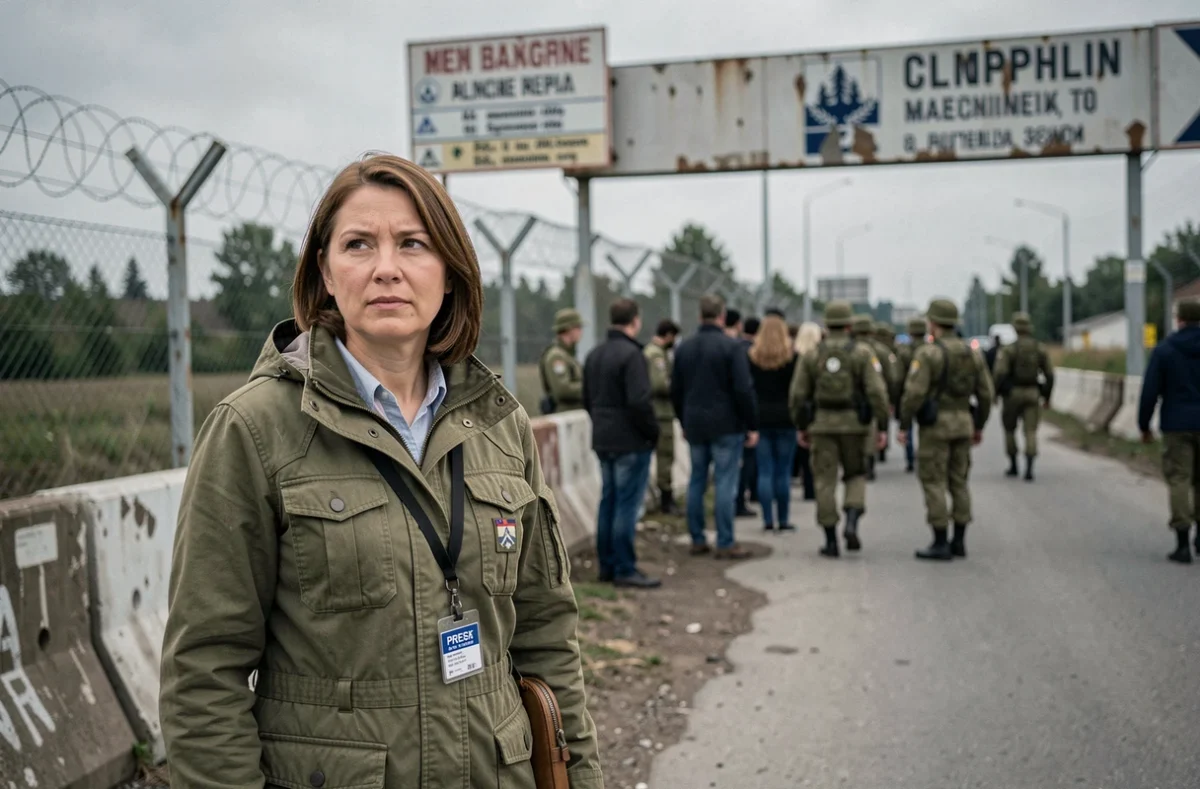
Geopolitical Analysis: Moving Beyond Block-Based Readings to Understand Current Tensions
A common mistake is to view global geopolitics as a binary confrontation between two camps. The reality is more fragmented. Countries like India, Turkey, or Brazil pursue foreign policies that do not systematically align with any bloc.
This multipolarity complicates negotiations but also opens up spaces. When a state refuses to align, it can play a mediating role or, conversely, exploit rivalries among major powers to gain economic advantages.
The framework of “spheres of influence” remains useful but insufficient. Financial flows, technological dependencies, and energy supply routes create a more nuanced map than the simple East-West or North-South opposition. Europe, for example, finds itself arbitrating between its past energy dependence on Russia and its ambitions for industrial sovereignty in the face of China.
For anyone following international news, the current period demands a cross-analysis: geography of resources, military power dynamics, economic interdependencies, and disinformation trends. No contemporary conflict can be explained by a single factor. It is precisely this overlap of causes that makes current tensions so difficult to defuse, and which requires looking beyond the headlines to grasp what is truly at stake.