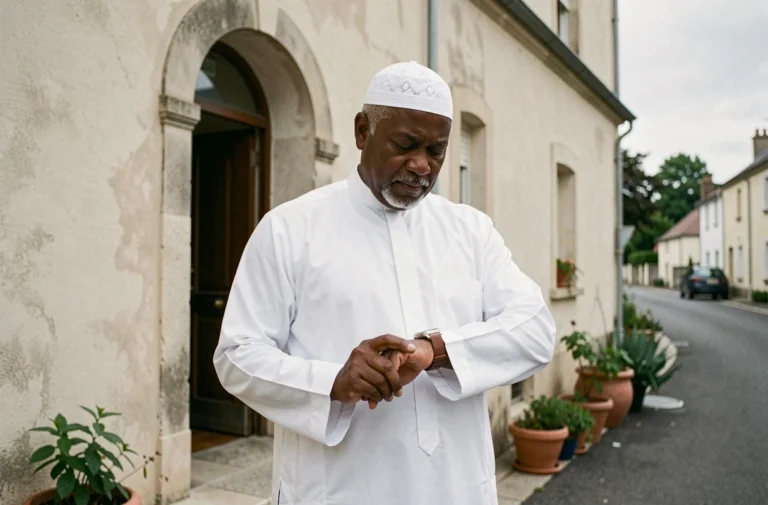
Photography is not just a means of capturing moments; it is a true art form that can transform the mundane into the extraordinary. Mastering this art requires more than just a click of a button; it demands a deep understanding of light, composition, and creative vision. This is where photography schools come into play, institutions dedicated to teaching the essential skills to turn passion into profession. These schools provide an environment where students can learn, experiment, and refine their talent under the guidance of experienced professionals.
The Foundations of Photography Education
The cornerstone of any photography school lies in its teaching methods and structured curriculum. This learning goes far beyond textbooks to offer an immersive experience.
- Shooting Techniques: Students learn to handle various types of cameras, understand exposure settings, white balance, and the creative use of lenses.
- Post-Production: Photo editing is an art in itself. Programs often include courses on image processing software such as Photoshop and Lightroom, essential for post-production.
- Photography Theory: Understanding artistic concepts such as composition, color, and light is crucial for creating captivating images.
- History of Photography: A historical perspective enriches the understanding of the medium and inspires both respect and innovation.
Practical Workshops: A Springboard to Mastery
The practical workshops offered by photography schools provide a valuable opportunity to put theory into practice. These sessions are often considered the heart of the educational experience.
Workshops allow students to experiment with different photographic techniques in a controlled setting. Under the supervision of professionals, they explore various genres such as portrait, landscape, or fashion photography.
Hands-on exercises encourage an experimental approach, essential for discovering one’s own visual style. These workshops also provide immediate and constructive feedback, a determining factor for continuous improvement.
Collaborative Projects and Exhibitions
In the curriculum of many schools, collaborative projects and exhibitions play a central role. They represent an opportunity to showcase students’ work and prepare them for a professional career.
Collaborative projects encourage students to work as a team, thus stimulating collective creativity and idea sharing. These projects can take the form of photo books, simulated advertising campaigns, or even short films, allowing students to explore the multiple facets of the photographic field. Exhibitions, on the other hand, serve as a public showcase for students’ works, providing a first experience of critique and networking essential in the professional world.
Why Choose a Photography School?
The choice of a photography school can be motivated by various factors. These institutions offer a structured environment conducive to in-depth learning.
The professional network that a school provides should not be underestimated. Students have the opportunity to meet established photographers, attend lectures, and participate in internships, which can be a springboard to career opportunities.
Moreover, the diploma or certificate obtained is often an asset in the job market, attesting to a recognized level of competence.
Finally, group learning fosters stimulation, pushing everyone to constantly surpass themselves.