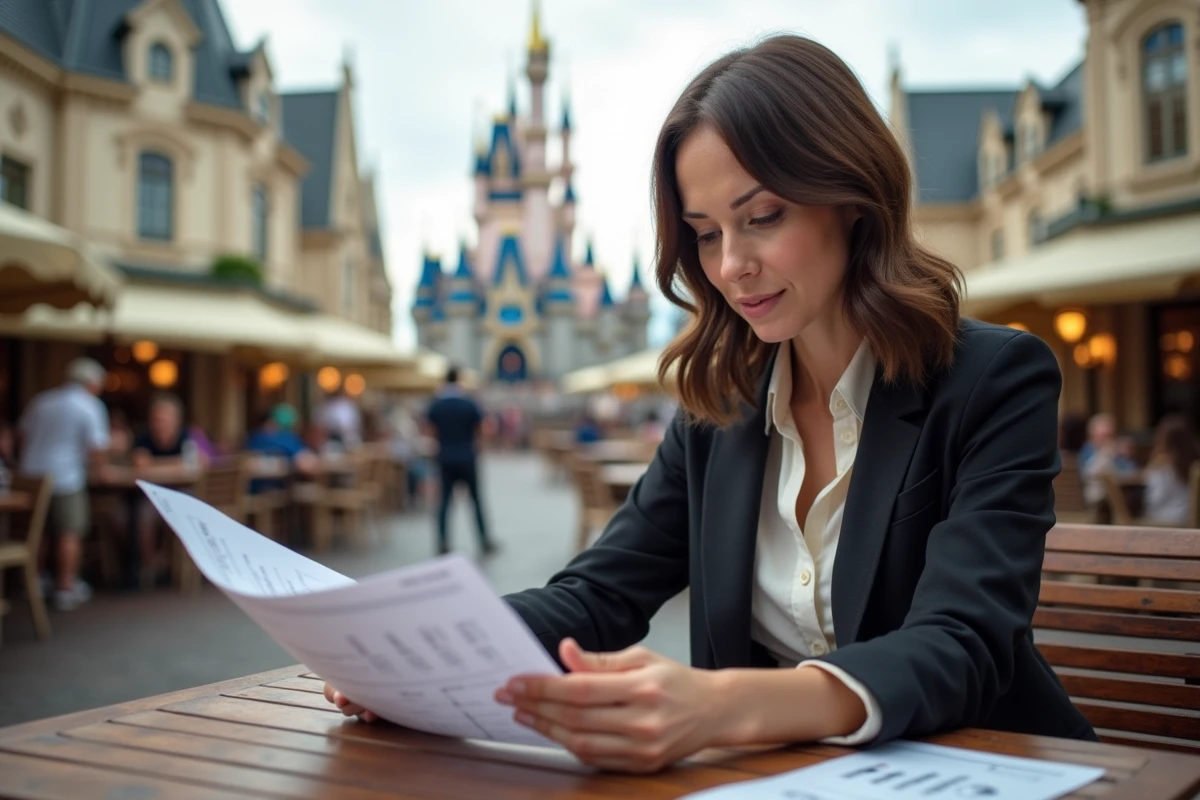
The first euro spent in Marne-la-Vallée was far from a fairy tale. Disneyland Paris, launched right into the European market, long navigated without a clear direction, facing numerous financial setbacks. However, rather than sinking, the park turned things around, establishing itself as a tourism giant on the continent, capable of attracting an annual crowd equivalent to the population of the Netherlands. Today, this success story is written with dizzying figures.
The balance of Disneyland Paris does not hang by a single thread, but rather relies on a complex structure where every revenue source is interconnected. Entrance tickets, Mickey plush toys, themed hotel rooms: every detail aims to increase the average spending per visitor, with an efficiency that leaves competitors drooling. This feat is based on a clear dynamic: constantly renewing the offerings, captivating without tiring, and creating a desire to return. It is this energy that keeps the machine running smoothly.
The economic backstage of amusement parks: understanding the figures and profitability stakes
There is hardly any equivalent in Europe. With nearly 15 million visitors per year, Disneyland Paris dominates all rankings, establishing itself as one of the global heavyweights in the sector. Gone are the days of hesitation: the Themed Entertainment Association consistently positions the park just behind the American giants, well ahead of all other sites on the continent.
The financial success of Disneyland Paris relies on three playgrounds: ticket sales, hospitality, and on-site consumption. A trilogy that constantly adjusts to meet demand. The hotels, almost always fully booked, generate an impressive share of revenue, while shops and restaurants weigh heavily in the balance. Here, every minute of opening counts. Optimizing the visitor journey, finely managing flows, and the art of making every moment enjoyable: everything contributes to encouraging return visits, spending, and sharing experiences with others.
To decode the mechanics of this dynamic, the site the profitability of Disneyland Paris provides a detailed analysis of this unique model that outperforms all French competition, both in attendance and revenue.
| Year | Visitors (millions) | Revenue (M€) |
|---|---|---|
| 2019 | 14.9 | 1,746 |
| 2022 | 15.3 | 2,000 |
To maintain this pace, investments flow abundantly. New attractions, spectacular renovations, temporary shows: each project elevates the experience and reshapes the landscape of the sector. The more the park innovates, the greater the gap widens, both in terms of prestige and public satisfaction, and this is measured every year.
What strategies to remain attractive? Case studies: Disneyland Paris, Parc Astérix, and Futuroscope
No detail is left to chance. Disneyland Paris has placed innovation at the heart of its strategy: a new feature every season. The hotels are expanding, the offerings are broadening, and the capacity is increasing. It’s a virtuous circle: the more the park renews itself, the more it attracts.
On its part, Parc Astérix cultivates its identity to the very end of the menhir. Brand new areas in Gallic colors, reimagined attractions, and, above all, live shows that inject a good dose of originality into the adventure. This authenticity appeals to a clientele attached to the French imagination while remaining bold enough to attract the curious.
In Poitiers, Futuroscope bets on surprise. Technology evolves with the seasons, reinventing experiences each year, with shows that challenge expectations. The park continually rejuvenates, attracting an audience always in search of novelty and thrills.
Here are the strategic axes that make a difference in this sector:
- New attractions: they boost attendance and reward the desire for discovery.
- Seasonality: events and shows enhance attractiveness even in low season.
- Upgrading hotel offerings: a broader accommodation offer promises a longer stay, higher average spending, and increased loyalty.
Success is rooted in the ability to think long-term, invest, and build an almost intimate relationship with visitors. Different recipes, but a common goal: to impress, retain, and maximize every visit.
International expansion and adaptation: how do parks anticipate sector evolutions?
The time when parks stayed in their bubble is over. The conquest continues: sites abroad, adapting to new clientele, diversifying offerings, each giant in the sector is moving its pieces beyond borders. The Themed Entertainment Association highlights this momentum: each player is now adjusting its proposals to local tastes while betting on overall attractiveness.
At the same time, hospitality and technology are playing an increasingly significant role in strategy: welcoming international audiences, making life easier for travelers, and successfully transforming the park into a true destination. But the challenge doesn’t stop there. New behaviors, ecological demands, management optimization: the model must constantly adapt to endure.
To continue to attract, parks are now betting on:
- State-of-the-art roller coasters, to satisfy thrill-seekers.
- Frequently renewed scenographic experiences to cultivate surprise.
- Digital services designed to ease lines, personalize visits, and simplify the visitor’s day.
Behind the scenes, innovation guides every choice. French players, including Disneyland Paris, are leading this race with anticipation and the desire to stay on the podium. Those who rest on their laurels will inevitably see their audience slip away. Staying in the race means accepting to reinvent oneself, again and again, or risk being swallowed by the next generation of leisure activities.