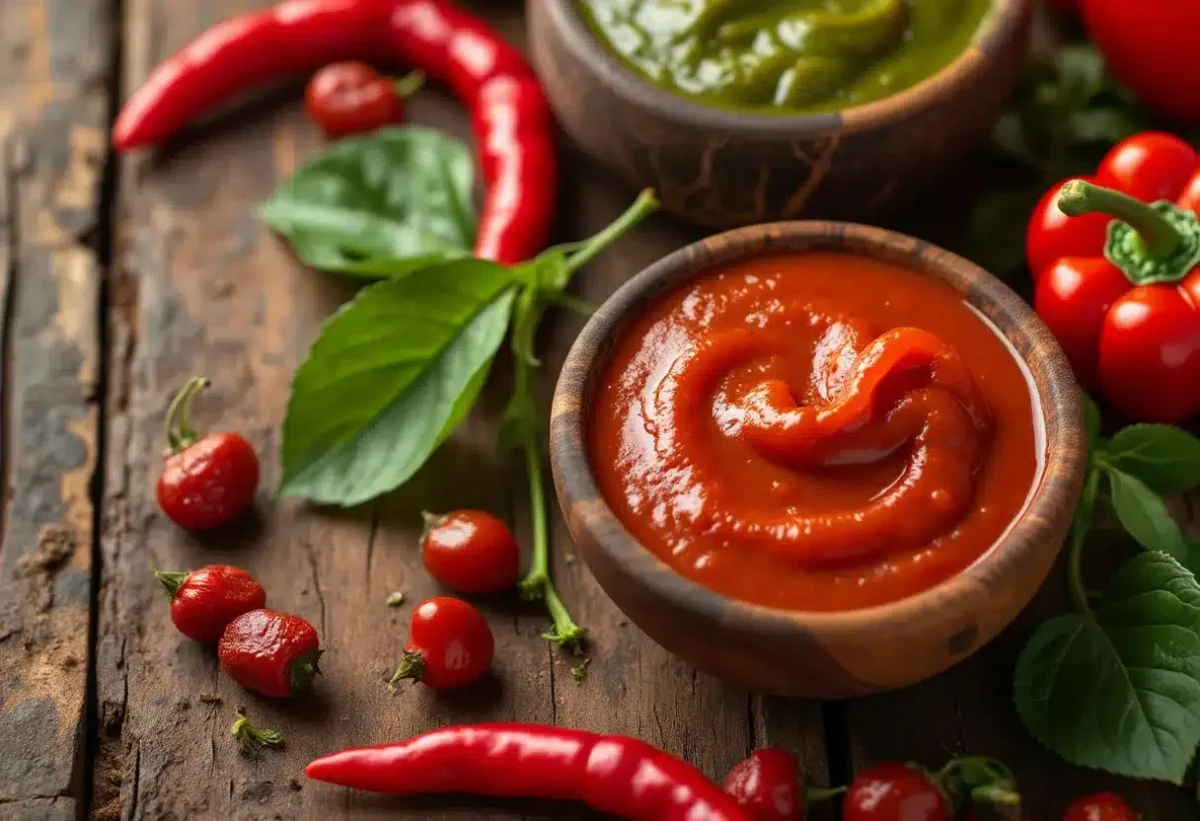
Hot sauces have conquered palates around the world, adding a touch of fire to our daily dishes. From explosive Thai chilies to Mexican jalapeños, every culture has its own secret recipe that tantalizes taste buds and warms the soul.
In Latin America, habanero-based sauces are must-haves, while in Asia, it’s the spicy sweetness of Korean gochujang that captivates. These heat-infused condiments not only enhance dishes; they also tell stories of traditions and terroirs. Enjoy this fiery world tour and discover the spicy treasures that spice up our plates.
The Origins and Culture of Hot Sauces
The history of hot sauces dates back centuries, rooted in the culinary traditions of the indigenous peoples of Central and South America. Chilies, in particular, are at the heart of this story. Cultivated and used by the Aztec and Maya civilizations, they have traversed the ages to become a central element of global gastronomy.
The Discovery of Capsaicin and the Scoville Scale
In 1912, American pharmacologist Wilbur Scoville revolutionized our understanding of chilies by inventing the Scoville scale. This scale measures the heat of chilies based on their capsaicin content, the chemical compound responsible for the burning sensation. Capsaicin not only spices up our dishes: it also stimulates metabolism and triggers the release of endorphins, the happiness hormones.
- Scoville Scale: Ranks hot sauces based on the heat sensation they provide.
- Capsaicin: A compound that can boost your metabolism and give you an energy kick.
- Capsaicin: Can also trigger the release of endorphins, the happiness hormones.
The Terroirs and Traditions
In Brittany, in Rennes, hot sauces are starting to make their mark, influenced by local products and imported recipes. The Fuego sauce, for example, is a bold blend of local chilies and exotic spices, reflecting the cultural and culinary openness of the region.
The diversity of hot sauces around the world reflects the richness of culinary traditions. Each region, each culture has its own way of elevating the power of chilies, creating a symphony of fiery flavors that warm hearts and minds.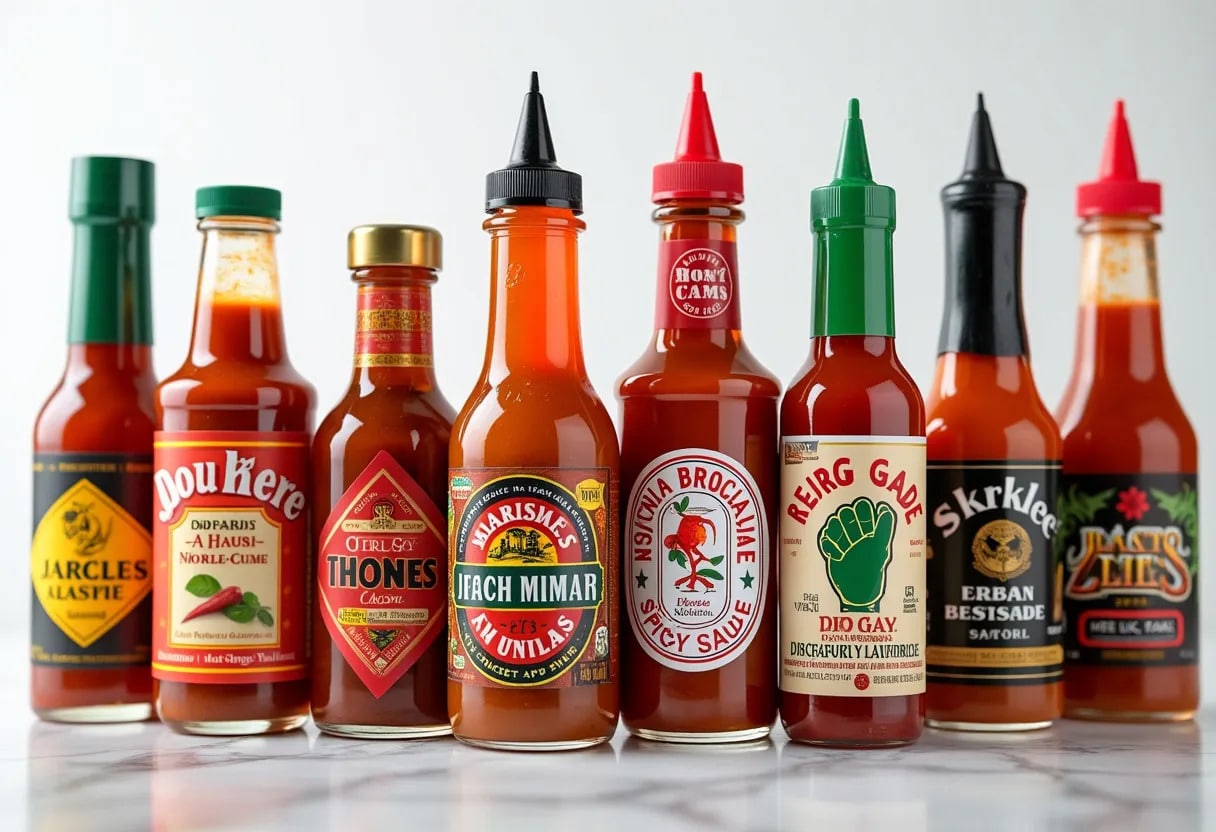
A World Tour of Iconic Hot Sauces
The diversity of hot sauces across the globe is a true testament to human ingenuity in cooking. Let’s discover some iconic sauces.
Mexico: The Cradle of Chilies
Mexico, the birthplace of chilies, offers legendary sauces like chipotle sauce, made from smoked jalapeños. Not to mention the famous habanero sauce that reaches impressive heat levels on the Scoville scale.
Thailand: The Fusion of Flavors
In Thailand, the bird’s eye chili is the key ingredient in many sauces. Sriracha sauce, a blend of chilies, garlic, and vinegar, has become a staple in kitchens worldwide, bringing subtle heat and a hint of acidity.
India: The Power of Spices
India, with its wealth of spices, offers sauces like Bhut Jolokia, known as the hottest chili in the world before the Carolina Reaper emerged. This sauce is used sparingly, adding extreme heat to traditional dishes.
United States: Spicy Innovation
In the United States, the famous Tabasco sauce is a classic, made from Tabasco peppers and aged in oak barrels. More recently, sauces like Hellfire The Elixir and Gringo Bandito Super Hot, featured on the show Hot Ones, have pushed the limits of spiciness tolerance.
Philippines: Sweet Heat
In the Philippines, Sweet and Sour sauce perfectly marries the sweetness of sugar with the heat of local chilies, creating a balanced and addictive explosion of flavors.
These sauces, each with its own identity, testify to the universality and diversity of fiery flavors around the world.