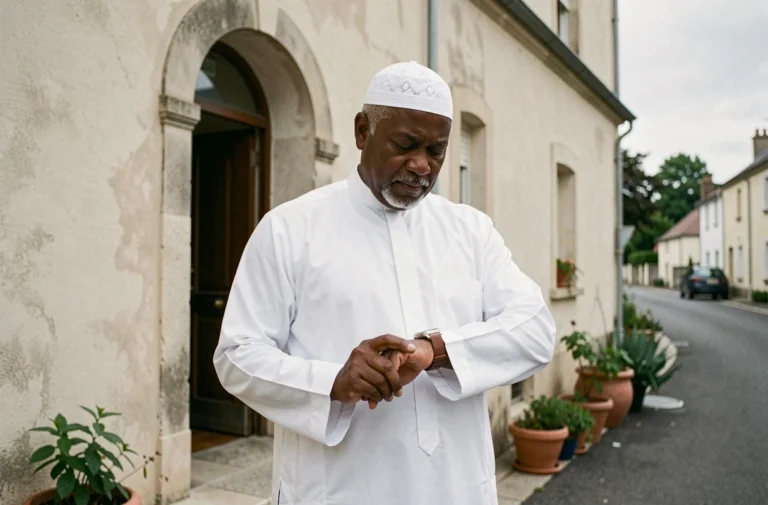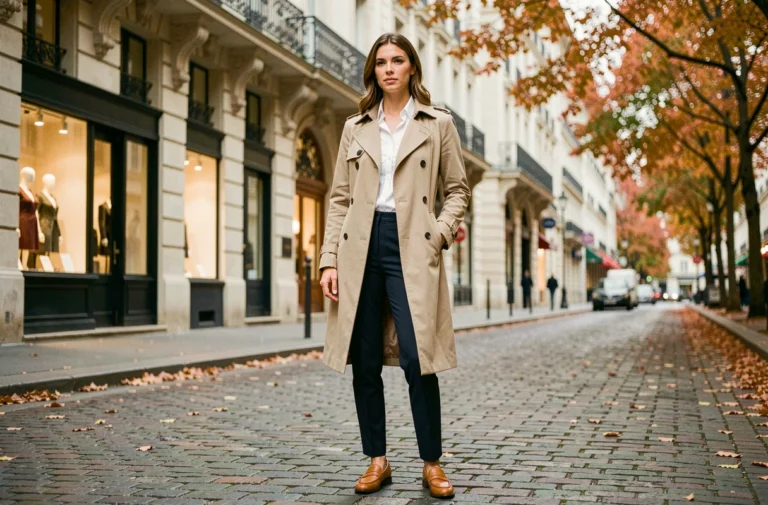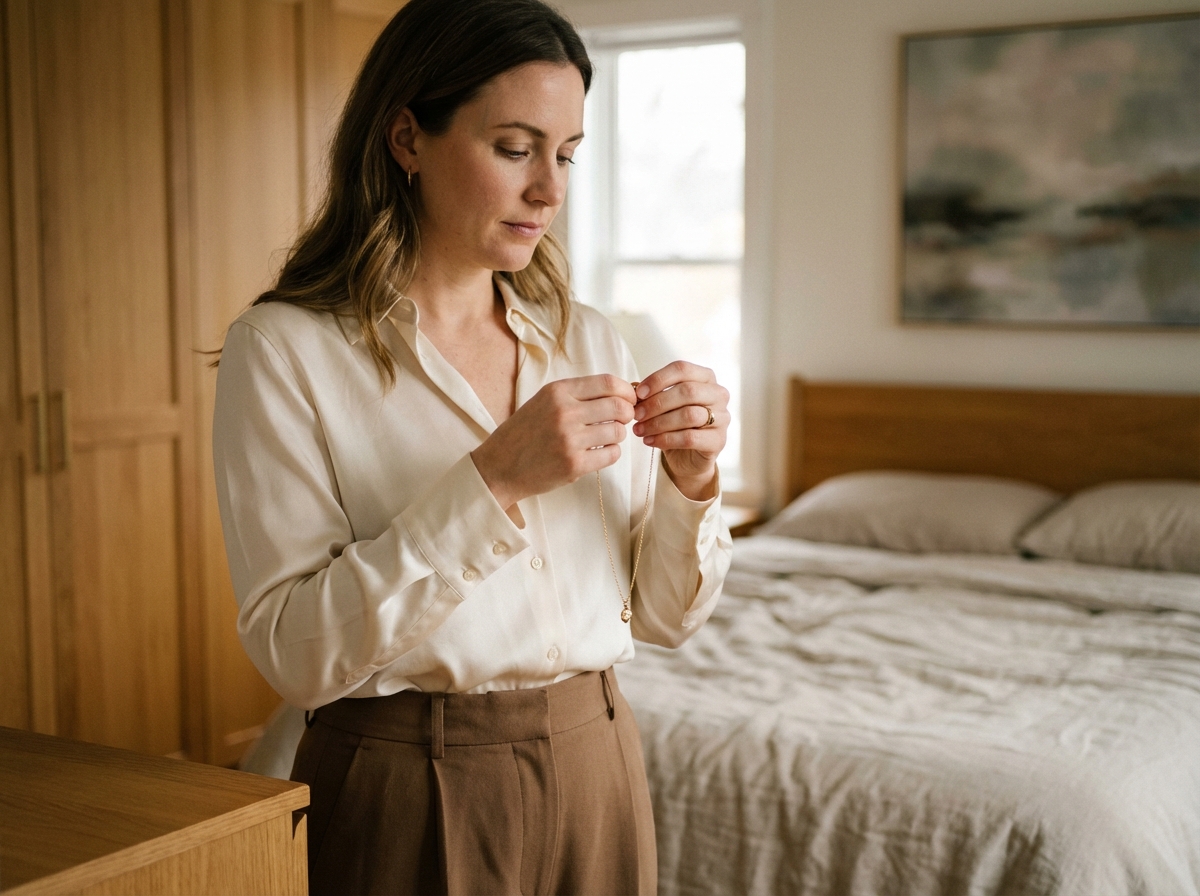
A natural pearl necklace rarely goes out of style at an official dinner, but a large ring may prove inappropriate for a professional interview. Family traditions sometimes dictate the wearing of a specific piece of jewelry, while market trends push towards the acquisition of contemporary models.
The selection of jewelry depends as much on the social context as on the intrinsic properties of the material. Some pieces, considered mere accessories, suddenly gain value when associated with a specific event or a particular outfit.
Why does the choice of jewelry matter so much depending on the occasion?
Wearing jewelry has never been a trivial act. Jewelry tells a story, asserts individuality, sharpens the coherence of a style. Depending on the event, the piece one chooses conveys a message, sometimes timid, sometimes bold. A diamond necklace takes on a different dimension at a business dinner than for a marriage proposal. These choices become clearer depending on the nature of the meeting, the outfit worn, and the personality of the one who decides to display them.
Here’s how to adapt your selection:
- For a ceremony, coherence with the outfit makes a difference: pearls, diamonds, and refined sets bring the desired touch of sparkle to a wedding or a baptism.
- A job interview calls for restraint. Opt for understated and elegant jewelry that suggests professionalism without overshadowing the outfit.
- On the beach or on vacation, durability takes precedence. Materials like stainless steel withstand swimming and sun exposure without hassle.
- Festivals or cultural highlights open the door to originality: ethnic jewelry, handcrafted creations, sculptural pieces become a signature.
Jewelry does more than accessorize an outfit: it reflects the care given to social and cultural codes. Knowing how to choose means grasping the atmosphere, anticipating the impact of external perception, revealing a facet of oneself. The pieces chosen for a particular occasion enter memory: each selected piece of jewelry becomes an accomplice of a moment, shaping each person’s unique universe.
Materials, styles, budgets: how to navigate among precious jewelry
Gold, platinum, 925 silver: these metals embody the pinnacle of precious jewelry. But choosing a material is not just a matter of aesthetics or cost. Gold, in yellow, rose, or white, charms with its durability and timeless aura. Silver, more accessible, plays the versatility card with its fresh shine. Platinum, rare, is prominent in pieces meant to last through the decades. Stainless steel, highly valued for its strength, combines modernity and controlled budget, ideal for everyday use.
On the side of precious stones, diamonds, rubies, sapphires, emeralds each tell their own story, bringing their light and color. Those who appreciate nuance turn to semi-precious stones: amethyst, garnet, topaz… Enough to multiply style possibilities.
Styles abound. Minimalist jewelry for discretion, vintage jewelry for heritage, sculptural or geometric pieces to assert contemporary taste. French jewelry, backed by the craftsmanship of its artisans, offers remarkable diversity: from solitaire rings to sophisticated sets.
To help you balance style and budget, consider these guidelines:
- Limited budget: silver, stainless steel, or semi-precious stones offer beautiful alternatives.
- Wanting a piece to pass down: gold, platinum, diamonds, and creations signed by jewelry artisans take on another dimension.
The choice of a precious piece of jewelry should also align with its use: vermeil necklace for the office, sapphire-set ring for special evenings. Recent trends value ethical pieces, sourced from French workshops, certified or labeled fair-trade, offering a balance between refinement, commitment, and unique character.

Concrete tips for selecting the ideal piece for each key moment
Choosing the right jewelry requires reading the situation well, understanding dress codes as well as the context. At a wedding, a complete set, pearls or diamonds, accompanies the solemnity of the moment. Conversely, during a job interview, sobriety is essential: a delicate ring, a discreet necklace, or small earrings are enough to attend to detail without drawing all the attention. Elegance does not exclude originality, but balance remains crucial.
Each event has its own jewelry grammar. A gala evening invites spectacular pieces: statement necklace, cocktail ring, everything is designed to attract the eye. A romantic date, on the other hand, allows for finesse: delicate bracelet, intricately designed pendant, or touches of color. Vacations primarily demand durability: stainless steel, silver, vermeil, lightweight formats designed to keep up with the pace.
Here are some ideas for choosing based on the type of occasion:
- Religious celebrations, baptisms, communions: medals, gold or silver crosses, fine pearl bracelets naturally fit in.
- Birthdays, family gatherings: one dares to be fanciful, with colors, charm bracelets, or lively pearl necklaces.
- Concerts, openings, exhibitions: uniqueness is expressed through sculptural, geometric jewelry or artisanal pieces.
Precious jewelry is part of the story of each moment. It completes the outfit, reflects a temperament, emphasizes a style. Today, the trend is towards personalization, the nobility of materials, the valorization of artisanal work, and respect for the environment. Between practicality, aesthetics, and the desire for exception, the right piece of jewelry stands out as an ally of a moment, sometimes even as the climax of a story. The real question, ultimately: which piece will tell your next chapter?