
In more than a third of French households, tools lie dormant at the back of a cupboard while simple tips can transform a chore into a success. Yet, most DIY mistakes stem from poor preparation or a lack of knowledge about existing alternatives.
Some common materials, often overlooked, allow for improvising effective and economical solutions. Mastering a few basic techniques paves the way for solid and personalized creations, without requiring advanced skills or significant investment.
Why home DIY is increasingly appealing: a hobby accessible to all
DIY has found its place in every household, regardless of age or background. The personalization of the home now attracts a wide audience eager to make their space their own, from the living room to the terrace, including the children’s room or balcony. Making your own furniture, refreshing a terrace, repurposing an everyday object: these challenges become accessible to everyone with minimal tools and a desire to create.
The economic aspect should not be overlooked. DIY goes hand in hand with repair, reuse, and waste reduction. Recycled materials play a central role in this dynamic, offering an ecological and responsible dimension. Skills are shared, particularly through platforms like Cécile Bricole, which highlight the small victories of everyday life and the art of living at home.
The ease of access is a real strength. DIY projects cater to all profiles: beginner, intermediate, or advanced. Children can learn about painting and assembly, discovering the joy of creating something with their own hands. Adults, in turn, draw pleasure from enhancing their living environment, strengthening their connection to their home.
No need to be an expert to get started: home DIY invites everyone to shape their environment in their image. Creating, repairing, repurposing, giving a second life to existing items… This practice adapts to all desires and skill levels. It encourages autonomy, stimulates creativity, and aligns with a sustainability logic that redefines our relationship with our habitat.
What creative ideas to easily start or improve at home?
The world of home DIY is full of accessible ideas, whether you are a novice or more experienced. For beginners, interior decoration offers an excellent entry point: installing a raw wood wall shelf, making a pencil holder from tin cans, or giving new life to an old piece of furniture with a fresh coat of paint. These concrete achievements allow for progress while building confidence.
Those comfortable with tools often explore furniture creation. Here are some project ideas to take it further:
- pallet coffee table,
- Tetris bookshelf,
- floating shelves.
Woodworking, combined with the use of reclaimed materials, encourages upcycling. For example, wooden crates can be transformed into hanging storage modules, and glass jars can become pendant lights. These creations help optimize space while adding a personal touch to the decor.
Outside, on a balcony or in a garden, making a wooden birdhouse, plant markers, or a custom planter invites an approach that is both ecological and fun. Children can get involved in simple projects like making hooks or small decorative items, guided by their curiosity and the joy of doing it themselves.
The variety of ideas allows everyone to progress at their own pace. The goal: to dare to experiment, explore the possibilities of recycled materials, and draw inspiration from trends to shape a home that reflects us.
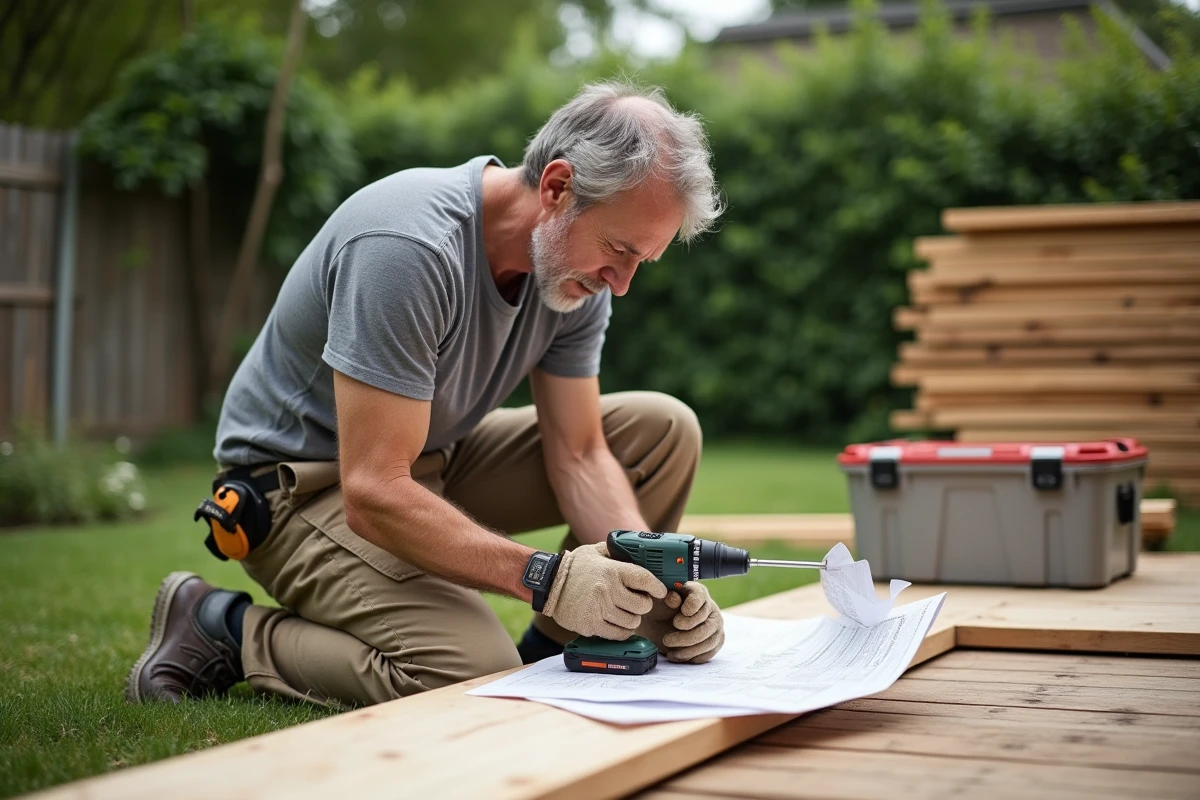
Materials, tips, and key steps: succeed in your DIY projects without stress
The basics: tools and materials to prioritize
To start a home DIY project, it’s best to equip yourself with reliable tools: a drill-driver, a balanced hammer, various screwdrivers (flat, Phillips), a multi-tool pliers, a jigsaw or circular saw for precise cuts. Add to this wood glue, an assortment of screws, sandpaper, a glue gun, a spirit level, and a tape measure. This accessible and versatile selection is sufficient for most common projects.
Tip: utilize recycled materials
Reclaimed materials offer numerous options to enrich your DIY projects. Plywood, MDF, cardboard, glass, metal, or reclaimed wood become valuable allies for both decoration and layout. For clean cuts or original patterns, a laser cutter or laser engraver provides great precision, especially on wood or acrylic.
Here are some good practices to adopt for DIYing under good conditions:
- Prepare a tidy, secure, and well-lit workspace.
- Keep your tools within reach to save time.
- Test the strength of an assembly on a scrap piece before final fixation.
Key steps to progress without stress
It’s better to start with a simple plan: a quick sketch, a list of steps, the dimensions, to visualize the project as a whole. Move step by step, from tracing to cutting, from assembly to finishing. Personalize your creations with paint or varnish, without neglecting the quality of the details. Experience grows with each achievement, whether it’s a wall storage solution, furniture renovation, or creating an LED light fixture.
With a bit of method, patience, and a willingness to try, every project becomes a source of satisfaction. It is these small successes, shared with family or friends, that ultimately transform the home, and sometimes even the way we inhabit it.