
A bracelet that leaves a green mark on your wrist after a day at work, earrings that irritate your earlobes by midday: the problem with fashion jewelry doesn’t show up in the mirror in the morning, but at 5 p.m. Choosing an elegant piece for every occasion means checking what you’re wearing as well as how you wear it.
The European REACH regulation limits the amounts of nickel, lead and cadmium released by jewelry in prolonged contact with the skin, including secondary components such as clasps and jump rings. This is the first practical check to make before considering style.
Materials and skin comfort: what the product description should include
We often start with the design, even though a piece’s composition determines whether it will be comfortable to wear for eight hours straight. A necklace made from an unspecified alloy may contain irritating metals that aren’t visible to the eye.
Asking the seller for the exact composition is still the most reliable approach. Regulatory restrictions apply not only to the main metal, but also to secondary metal components (clasp, connecting ring, earring post). A piece made from stainless steel but fitted with a clasp containing excessive nickel can cause a skin reaction.
For costume jewelry worn directly against the skin, check whether the seller can provide evidence of REACH compliance. This isn’t a luxury guarantee; it’s a safety guarantee. Elegant, compliant designs are available at a range of price points, such as those found at https://www.bijoux-aurea.fr, where product descriptions detail the materials used.
Everyday fashion jewelry: statement pieces with understated outfits
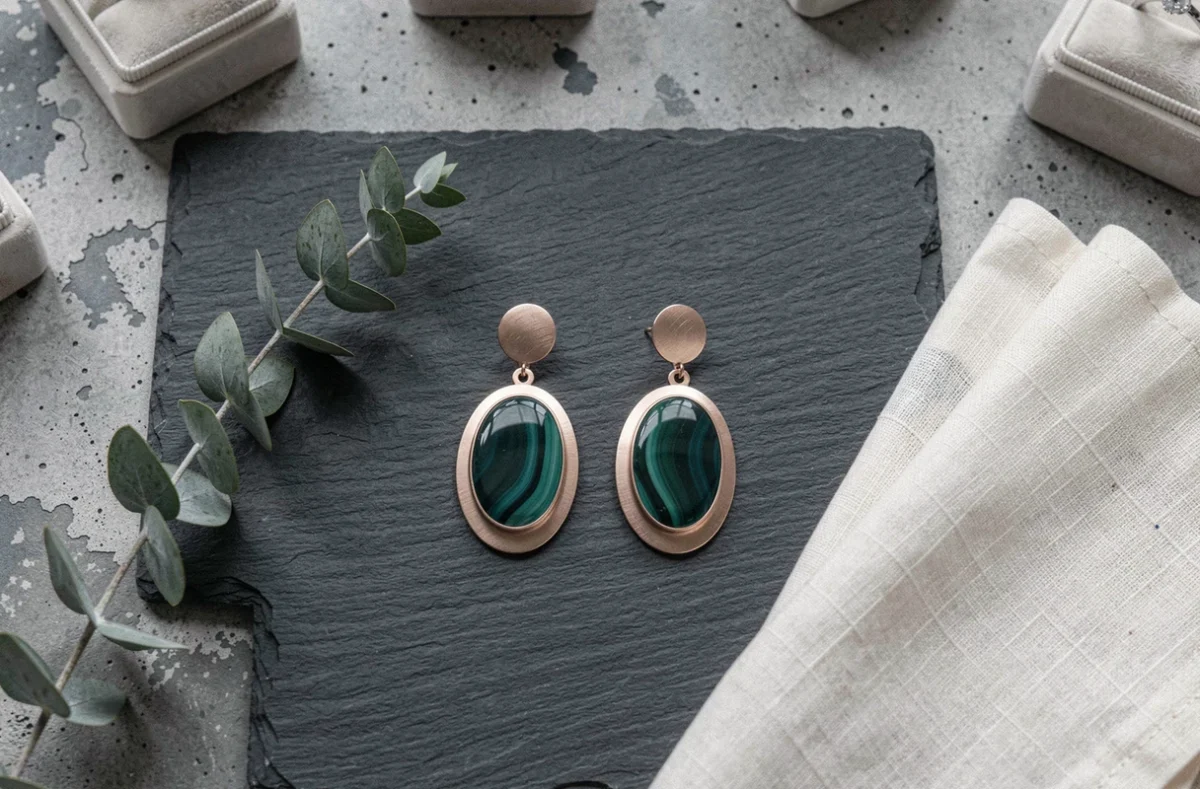
Sculptural earrings, once reserved for evenings out, are now worn with workwear and casual outfits. Vogue published an article on fall 2026 accessories, describing the return of oversized earrings paired with everyday outfits. The principle: one statement piece is enough when the rest of the outfit is understated.
The same approach works for cuffs. Vogue France noted their presence in the collections of Place Vendôme jewelry houses. Their size calls for a considered choice: wear one on its own, without stacking slim bracelets alongside it. Also check that your jacket or sweater sleeves won’t rub against the jewelry, as this speeds up wear on the plating of costume pieces.
Brooches and charm necklaces: add a personal touch without changing everything
Brooches and charm necklaces are among the customizable pieces featured in recent trends. Their practical advantage: you can adapt the same piece to different settings without buying more jewelry. A brooch worn on a blazer for a work meeting can be moved to a turtleneck at the weekend.
Charms, meanwhile, let you change up a necklace or bracelet over time. Choose a subtle charm for the office and a bolder one for a night out. The key is to pick a base (chain, cable chain or bangle) made from a metal and finish that can withstand prolonged wear.
Choosing jewelry for the occasion: three everyday scenarios
Rather than listing every event in life, let’s focus on three situations that cover most cases, each with a different requirement.
- Workday (8 hours or more): jewelry should be lightweight, snag-free and comfortable against the skin for extended periods. Studs or slim hoops, short chains and smooth rings are good choices. Avoid long drop earrings that get in the way when you’re on the phone or in front of a screen.
- Evening out or formal event: this is the time for oversized pieces (cuff, sculptural earrings, statement necklace). Choose just one area to highlight (ears, neck or wrist) to avoid a visually cluttered look.
- Weekend and casual outings: this is where stackable jewelry (slim rings, multiple bracelets) comes into its own. Build your style through thoughtful layering, choosing pieces that can handle movement, water and perspiration.
What to look for in elegant jewelry: beyond the trend
Trends can point you in the right direction, but they’re no guarantee of a good purchase. A piece may be fashionable yet become unwearable after two weeks because the finish starts to flake or the fit is wrong.
Finishes and durability of costume jewelry
Gold plating, gold flash plating and vermeil refer to different thicknesses and techniques. Thin plating wears away faster at points of friction (the clasp or areas in contact with the skin). Choose finishes whose thickness is specified by the manufacturer.
Stainless steel is naturally more corrosion-resistant, making it a good choice for everyday wear. Its weight, however, varies by design: a steel cuff will be noticeably heavier than a gold-plated brass one.
Body shape and proportions
A choker can flatter a long neck, but may feel restrictive on a broader frame. Drop earrings visually lengthen the face, while round hoops soften angular features. Trying the jewelry on with the outfit you plan to wear is more reliable than any theoretical rule.
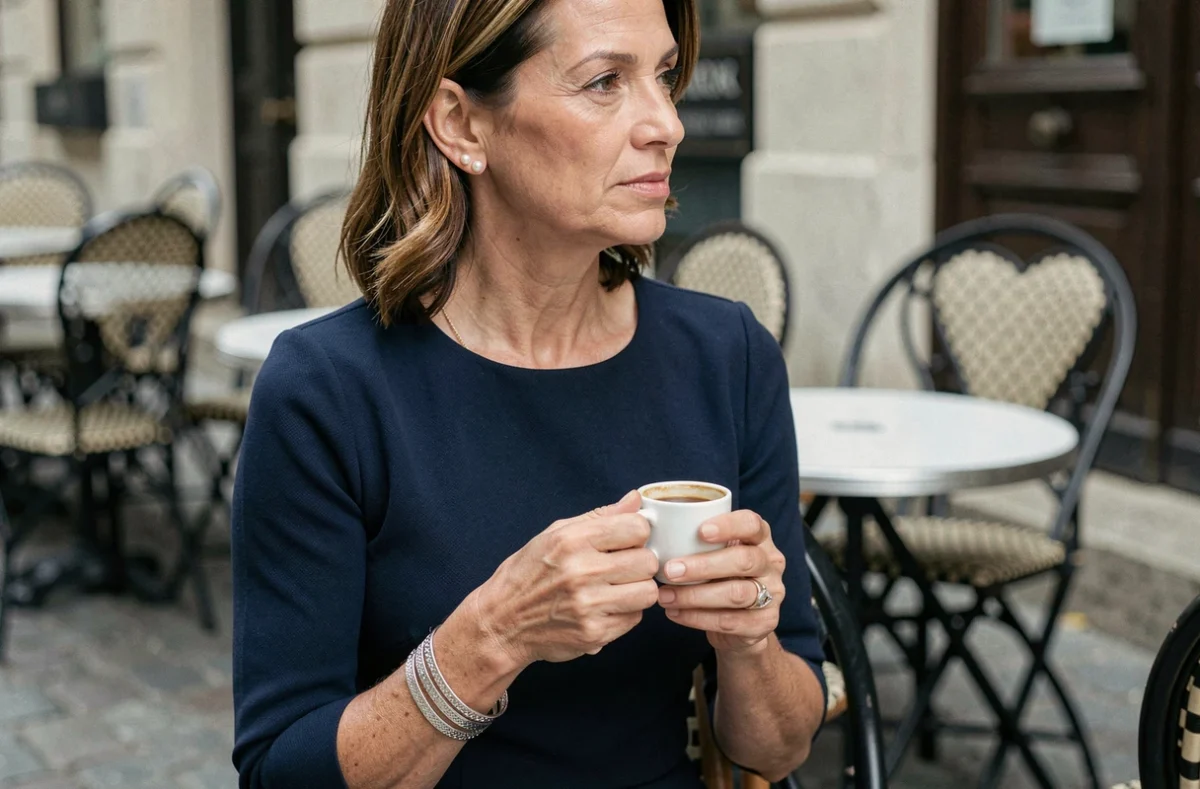
- Slim wrists: chain bracelets and narrow bangles work better than wide cuffs, which can slip or rotate.
- V-neckline: a pendant that follows the neckline creates visual continuity.
- High-neck outfit: draw attention to the ears or hands with more striking earrings or rings.
Material compliance, comfort during prolonged wear and the balance between a piece’s size and the outfit you’re wearing form a more useful framework than style alone. Fashion jewelry that itches, turns your skin green or feels too heavy ends up in a drawer, no matter how elegant it looks in a photo.