
Ignoring signals of fatigue or stress often leads to decreased concentration, increased irritability, and physical ailments. Yet, giving time to one’s own balance remains one of the first habits abandoned in the face of daily demands.
Recent studies point to a clear link between the regularity of certain practices and sustainable well-being, whether for the mind or the body. It is not perfection that matters, but consistency, even if imperfect. Grounding oneself in simple, realistic actions can transform the way we face fatigue, stress, and the risk of burnout.
Why self-care is essential for sustainable balance
Paying attention to oneself should never be seen as a whim. It is a daily commitment that concerns the body, the mind, and the emotional sphere. Omitting one dimension creates fragility where strength is needed. Recent studies abound: meeting one’s own physical, emotional, and mental needs provides a solid foundation against the pressures of daily life.
Tensions creep into every crevice. Persistent fatigue, irritability, confusion—these are signals that accumulate when we forget ourselves. When mental health and physical health are sidelined, everything wobbles. The link between body and mind, stress management, and the quality of relationships: each aspect responds to the others. A sincere exchange, even brief, can make a difference. Isolation, on the other hand, weakens emotional defenses. Cultivating human connection and prioritizing authentic communication strengthens our ability to hold on.
Slowing down, choosing the slow life, is not giving in to a trend: it is rediscovering a livable pace. Taking the time to breathe, to pause, becomes vital again. In France, more and more wellness retreats combine relaxation, meditation, physical activity, and a return to essentials. A healthy lifestyle is not a dogma but a solid foundation: varied diet, stable sleep, regular movement. Every small effort counts.
Autour 2 Moi offers a concrete, lively approach to integrating these practices into a busy daily life. It provides advice, personal experiences, and analyses that illuminate ways to take care of oneself without pressure or ready-made recipes. Because health is not segmented: it is built in coherence, between what we live, what we feel, and the environment around us.
What simple habits to adopt every day to nourish well-being
To anchor oneself in a coherent lifestyle, certain pillars make all the difference:
- balanced diet,
- restorative sleep,
- hydration,
- physical activity.
Each influences vitality, mental clarity, and emotional stability. Focusing on a varied diet, prioritizing raw products, and limiting excesses: these choices strengthen the immune system and support energy throughout the hours.
Water also occupies a central place. Drinking regularly throughout the day preserves vital functions. Mineral water, especially that rich in magnesium and low in sodium, contributes to nerve relaxation and helps combat fatigue. For recovery, sleep remains irreplaceable: a stable rhythm and quality rest reduce nerve tension, sharpen concentration, and contribute to overall health.
To enrich one’s routine, it is useful to integrate rituals that punctuate the day:
- reading time,
- enjoying a matcha tea,
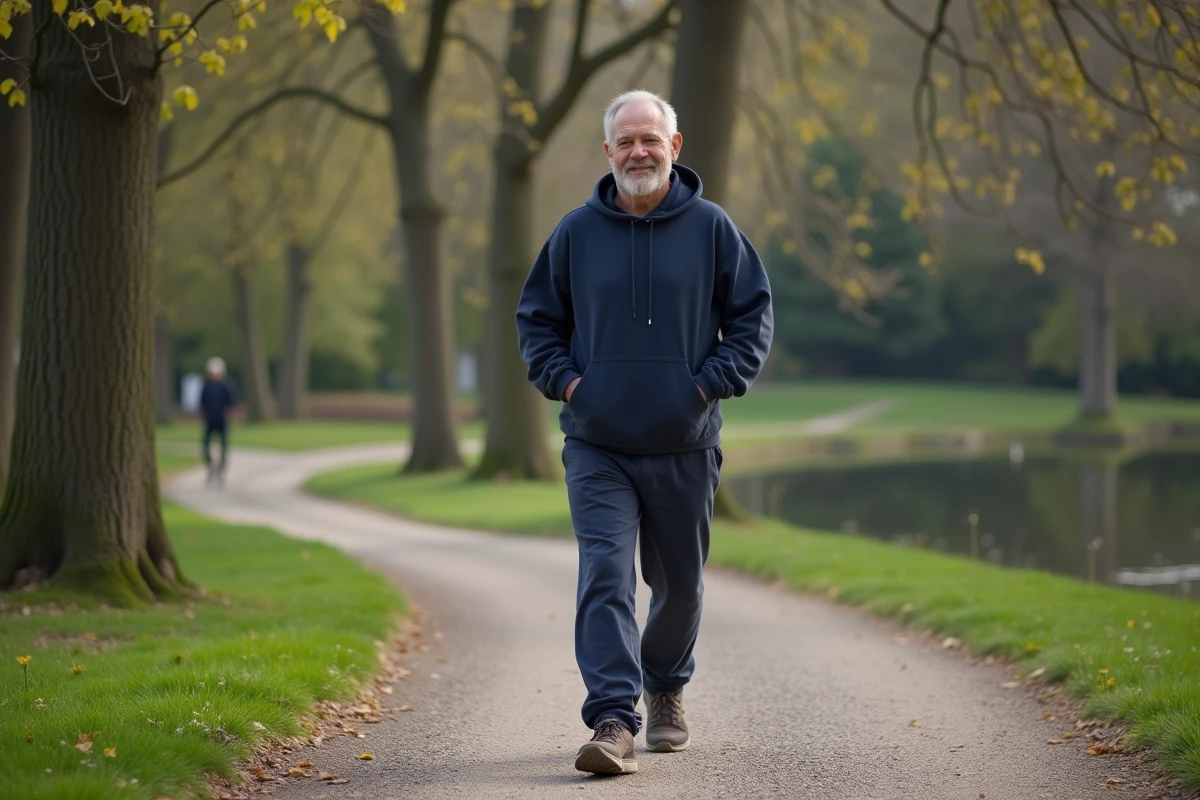
- morning walk or writing time.
These pauses invite slowing down, listening to one’s feelings, and reconnecting. Physical activity, whatever it may be—yoga, walking, meditation—creates a bridge between body and mind while dissipating accumulated tensions.
Taking care of one’s skin also means offering oneself precious attentions. Natural treatments, like Tahitian monoï or coconut oil, nourish, protect, and provide comfort. To lighten the mental load, establishing screen-free moments proves beneficial. A few moments away from digital devices, an inspiring podcast, a deep breath: these details add up to create sustainable balance.
Creating your own routine: how to listen to your needs and stay motivated
Building an adapted routine starts with listening to oneself. Identifying one’s needs, sometimes through subtle signals—fatigue, nervousness, need for movement or calm—lays the first stone. This approach moves away from ready-made models. It is a dialogue with oneself, a constant adjustment to one’s feelings, and not an imitation of others.
Here are some concrete tips for structuring your days:
- Schedule simple rituals: reading, meditation, walking, writing.
- Alternate between physical activities (like yoga or walking) and creative times to allow for personal expression.
- Use journaling as a tool to manage emotions and adjust priorities according to evolving needs.
- Explore digital resources, such as podcasts or webinars, to enrich the experience and stay stimulated.
Managing stress involves regularity and attention to one’s sensations. Practices like yoga or meditation establish reference points, while creativity opens a beneficial space for expression that supports inner balance. Motivation feeds on small victories, renewed moments of pleasure, and the ability to remain present to oneself despite constraints.
Taking care of oneself is neither a luxury nor a matter of chance. It is a long-term investment, where every gesture has its place. Adjusting according to the seasons, workload, and current desires: balance is shaped, mobile, personal, always in motion. And what if, tomorrow, the priority became to give as much value to one’s well-being as to one’s tasks? The question remains open, but the answer is taking shape, one step at a time.